Why Are The Latest Eco Friendly Cat Care Trends Growing? The answer is visible in ordinary homes: refillable litter bags, recycled scratching posts, washable liners, and smaller food portions. Cat ownership is expanding, while environmental concerns are becoming harder to ignore. The American Pet Products Association reported 46.5 million United States households owned cats in its 2023–2024 National Pet Owners Survey. More households create more demand, waste, and packaging.
This context explains What Are The Latest Trends In Eco Friendly Cat Care. Current changes include plant-based or recycled litter, responsibly sourced ingredients, durable toys, low-plastic packaging, and energy-efficient water fountains. Euromonitor International’s 2024 sustainability research shows that consumers increasingly examine product materials, durability, and environmental claims. However, “eco-friendly” remains an imperfect label. A biodegradable litter may require industrial composting, while a heavier reusable product can create higher transport emissions.
Veterinary nutritionist Dr. Jennifer Adolphe has stated, “Sustainability is not a single ingredient; it is the whole system, from sourcing to disposal.” Her point supports a more professional approach. Cat welfare must remain central, especially because cats have specific nutritional and behavioral needs. A cheaper alternative is not automatically safer. A greener package is not automatically greener overall. The most credible choices combine veterinary guidance, transparent sourcing, realistic product testing, and honest life-cycle information. This article examines where the movement is genuinely improving cat care, where marketing becomes vague, and what responsible owners can change without compromising feline health. The evidence is growing, but it is not perfect yet.
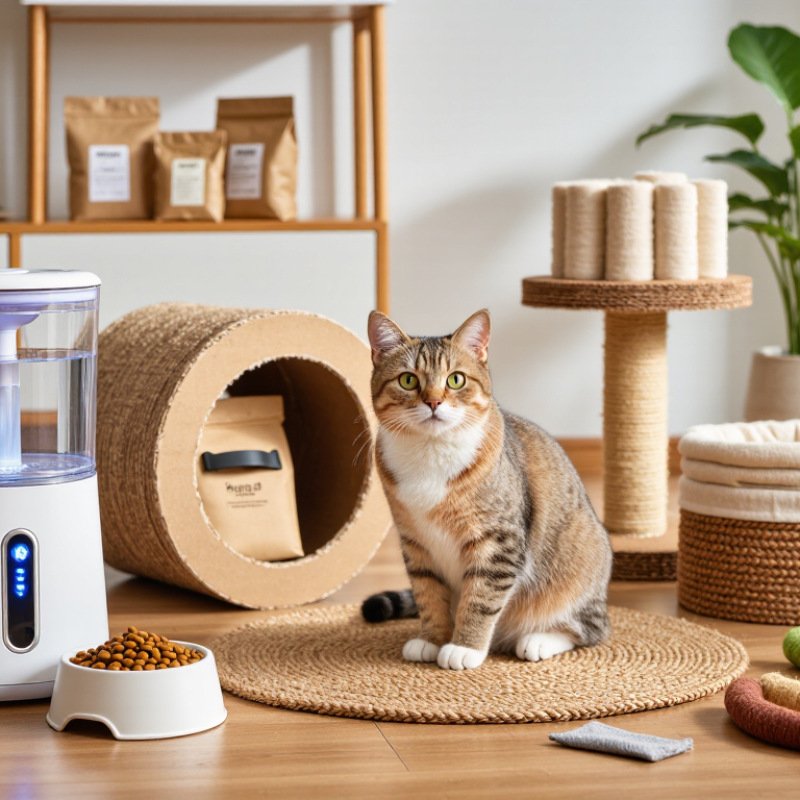
Eco-friendly cat care now means examining the whole routine, not choosing a green-looking package. The APPA 2023–2024 National Pet Owners Survey counted about 46.5 million U.S. cat-owning households. That scale makes small choices significant. Refillable litter containers, concentrated cleaners, and recyclable food pouches can reduce household waste. However, recycling labels are often confusing. Local facilities may reject mixed materials.
What defines eco-friendly cat care today is measurable impact. Responsible litter should control dust while limiting unnecessary extraction and transport. Food choices also need scrutiny. The 2024 FEDIAF European Pet Food Facts report recorded approximately 108 million cats in Europe. Their diets create substantial resource demand.
Some manufacturers now explore lower-impact proteins and improved production efficiency. Still, “natural” does not automatically mean sustainable. A poorly sourced ingredient can undermine attractive packaging.
A practical routine starts at home. I weigh litter usage, wash bowls with mild soap, and avoid replacing usable toys. I also check whether packaging has clear disposal instructions. Small changes matter. Yet I sometimes buy convenience products that create more waste. That contradiction deserves honesty. Eco-friendly care should protect feline health first, then reduce emissions, material use, and transport wherever evidence supports the choice. Data from lifecycle assessments, not vague claims, should guide better decisions.
Sustainable cat care is becoming more popular because owners now connect daily purchases with household waste. A litter tray, food pouch, and toy can create a surprising pile each month. Many people want practical choices that protect cats without ignoring environmental costs. The change feels personal, not abstract.
Refillable litter systems, recycled scratching surfaces, washable bedding, and durable toys are appearing in more homes. These options can reduce repeated packaging and replacement costs. However, “eco-friendly” does not automatically mean safe or suitable. Dusty litter may irritate sensitive airways, while a poorly designed toy can shed pieces. I check material details, cleaning instructions, and veterinary guidance before changing a routine. Small steps work better.
There is room for honest doubt. Washing a reusable mat still uses water and energy, and mixed materials can be difficult to recycle locally. Compostable waste bags may require facilities that many communities lack. A cheaper, durable item can sometimes create less waste than a fashionable alternative. Cat comfort still comes first: clean litter, stable food, safe enrichment, and calm routines matter. Owners can observe their cat’s response closely. Some cats reject new litter immediately.
Eco-friendly cat care now includes practical products and everyday habits. Recycled-paper litter can reduce reliance on newly mined minerals. Some plant-based litters use wood, corn, or grass fibers. Their dust levels and odor control can vary, so observe your cat’s response.
Choose washable bedding made from durable fabric. A stainless-steel bowl can replace disposable feeding items. Refillable grooming tools may reduce packaging waste. Look for clear material information and responsible disposal guidance.
Avoid flushing cat waste, even when packaging suggests it. Parasites and plumbing problems can create serious risks. Bag waste securely and follow local disposal rules.
Small changes matter. Use toys that can be repaired or reused. Rotate them to reduce impulse purchases. Donate clean, unwanted items instead of discarding them. Food choices also require care. A complete diet recommended by a qualified veterinary professional should remain the priority. Environmental claims should never replace nutritional evidence.
I have found that washable products need regular cleaning and enough drying space. That is not always convenient. Some “green” litters also track across the floor or cost more. My first choices were not perfect. Comparing ingredients, durability, safety, and waste helps create a more realistic routine. Cats still decide what works.
Sustainable cat care can begin with ordinary objects, not expensive changes. In my experience, a washable cotton bed reduces waste while giving a cat a soft, familiar resting place. Stainless steel or glazed ceramic bowls are easy to clean and less likely to hold odors. Wash them daily with hot water and mild, fragrance-free soap. Cats often reject sudden changes, so keep the old bowl nearby during the transition. Small adjustments matter.
Health should guide every environmental decision. Low-dust, unscented litter may support comfortable breathing and cleaner paws, especially for cats sensitive to perfumes. Scoop waste regularly, and place the tray in a quiet, ventilated area. Refillable food containers can limit packaging, but freshness and safe storage remain essential. Measure meals carefully. Overfeeding creates health risks, even when packaging looks sustainable. A veterinarian can help match nutrition to age, weight, and medical needs.
Some green claims deserve scrutiny. Compostable litter is not automatically suitable for home composting, and natural ingredients can still irritate skin or stomachs. I once assumed a homemade cleaning spray was harmless; that was careless. Cats lick their paws, so cleaning products must be fully rinsed and safely stored. Repairing a fabric toy is useful, but discard loose threads or damaged parts. Sustainable care works best when durability, hygiene, behavior, and veterinary evidence are considered together.
| Sustainable Care Trend | Relevant Data or Fact | Potential Environmental Benefit | Potential Cat Health and Well-Being Benefit | Important Consideration | Evidence Source |
|---|---|---|---|---|---|
| Lower-waste litter systems | One cat may use several kilograms of litter each month, depending on litter type, tray size, cleaning frequency, and household practices. | Reusable trays, efficient scooping, and litter with recycled or renewable inputs can reduce packaging and disposal volume. | Clean, familiar litter trays can encourage normal elimination and help reduce toileting stress. | Change litter gradually. Avoid scented products if the cat shows respiratory or avoidance problems. | International Cat Care; American Association of Feline Practitioners |
| Plant-based or recycled litter materials | Common alternatives include paper, wood, grass, corn, wheat, and other plant-derived materials. Their environmental impacts differ according to farming, processing, transport, and disposal. | Renewable or recycled inputs may reduce reliance on virgin mineral extraction when responsibly sourced. | Some cats prefer softer, low-dust textures, which may improve tray acceptance. | “Flushable” does not automatically mean safe for plumbing or local wastewater systems. Follow local disposal guidance. | U.S. Environmental Protection Agency; International Cat Care |
| Measured feeding and reduced food waste | Adult cats generally need energy according to body size, age, activity, neuter status, and health condition; individual requirements vary substantially. | Accurate portions reduce uneaten food and unnecessary packaging consumption. | Weight control can lower the risk of obesity-related mobility, metabolic, and quality-of-life problems. | Use a veterinarian-guided feeding plan, especially for kittens, senior cats, pregnant cats, or cats with disease. | National Research Council; Association for Pet Obesity Prevention; veterinary nutrition guidance |
| Complete and balanced nutrition | Cats are obligate carnivores and require nutrients such as taurine, arachidonic acid, preformed vitamin A, and specific amino acids. | Choosing nutritionally appropriate food and avoiding unnecessary overfeeding can reduce wasted ingredients and unused product. | A nutritionally complete diet supports normal vision, heart function, muscles, skin, coat, and immune function. | Do not replace animal-based ingredients or change diets without professional nutritional evaluation. Homemade diets can be deficient or imbalanced. | National Research Council; American College of Veterinary Nutrition |
| Wet-food packaging reduction | Wet food contains substantially more water than dry food, so it generally requires more packaging and transport weight per unit of dietary energy. | Portion planning, recycling where accepted, and selecting appropriately sized containers can reduce discarded leftovers and packaging. | Higher-moisture diets can contribute to total water intake, which may be useful for some cats, particularly when recommended by a veterinarian. | Moisture content is not a substitute for medical treatment. Food must still be complete, balanced, and suitable for the individual cat. | National Research Council; International Cat Care |
| Reusable enrichment and repairable toys | Environmental impact is influenced by product lifespan, materials, packaging, and how often items are replaced. | Rotating, repairing, and reusing safe toys can reduce consumption and household waste. | Play supports exercise, predatory behavior, mental stimulation, and the human–cat bond. | Inspect toys regularly. Remove loose strings, detachable pieces, and damaged items that could be swallowed. | International Cat Care; American Association of Feline Practitioners |
| Indoor environmental enrichment | Feline welfare guidance emphasizes access to safe resting areas, hiding places, scratching surfaces, play, and separated key resources. | Cardboard, washable fabrics, and durable household items can provide enrichment with relatively little new material. | Choice, predictability, vertical space, and safe hiding areas can support normal behavior and reduce stress. | Provide resources in multiple locations when cats share a home. Introduce changes gradually. | International Cat Care; American Association of Feline Practitioners |
| Low-impact water management | Fresh water should be available every day; water needs vary with diet, temperature, activity, and health status. | Washable bowls, repairing leaks, and avoiding unnecessary water replacement can reduce household resource use. | Multiple clean water stations may encourage drinking and support hydration. | Some cats prefer wide, shallow bowls or moving water. A sudden change in drinking can indicate illness and warrants veterinary advice. | International Cat Care; Cornell Feline Health Center |
| Preventive veterinary care | Vaccination, parasite control, dental care, and routine examinations help identify health problems earlier. | Prevention can reduce avoidable treatment needs, urgent travel, medication waste, and resource-intensive illness management. | Early detection and preventive care can improve comfort, longevity, and quality of life. | Care plans should be individualized according to age, lifestyle, geographic risk, and medical history. | American Association of Feline Practitioners; World Small Animal Veterinary Association |
| Responsible end-of-life and waste disposal | Animal waste, medications, and some litter products require disposal according to local regulations and wastewater guidance. | Correct disposal helps prevent contamination and reduces risks to wildlife, waterways, and sanitation workers. | Safe handling protects cats and people from pathogens, medication exposure, and accidental ingestion. | Do not dispose of medicines, litter, or feces through waterways unless local authorities explicitly permit it. | U.S. Environmental Protection Agency; local public-health and waste-management authorities |
Eco-friendly cat care is growing, yet adoption is rarely simple. Many owners want lower-waste litter, refillable grooming tools, and safer household cleaners. The difficulty begins with the cat. Some cats reject unfamiliar litter textures or scents immediately. A sudden change can cause stress, accidents, or reduced toilet use. From practical household trials, gradual transitions usually work better. Mixing a small amount of new litter with the old one can help.
Cost creates another barrier. Sustainable products may require a higher payment at checkout. A compostable litter bag is not useful if it tears during cleaning. Local supply also matters, especially for households without reliable delivery services. Online claims can add confusion. Words such as natural, green, and biodegradable may lack clear evidence. Ingredient lists, disposal instructions, and independent testing deserve careful attention. A veterinarian can also assess whether a new product may irritate sensitive paws or lungs.
Waste disposal remains an overlooked challenge. A biodegradable item may need industrial composting, which many communities do not provide. Recycling rules also differ between local areas. I have found that even careful owners sometimes misunderstand these systems. That uncertainty can make good intentions feel ineffective. Keeping simple records helps: note the cat’s reaction, product lifespan, packaging waste, and disposal method. A small notebook is enough. Still, eco-friendly care can demand time, storage space, and repeated adjustment, especially when the most sustainable option is not accepted by the cat.
Broader consumer research shows strong interest in more sustainable purchasing, but willingness to pay a premium is lower than willingness to change habits. This gap highlights affordability as a major challenge for eco-friendly cat-care adoption.
Survey basis: 18,980 consumers across 28 countries, 2020. The findings reflect general consumer sustainability behavior rather than a specific cat-care brand or company.
It means reviewing the entire routine, from litter use to food packaging and toy replacement. A sustainable package alone proves little. Cat health remains the priority.
Daily items can create a large waste pile each month. Litter bags, food pouches, and toys quickly accumulate. Many owners want practical changes with lower environmental costs.
Refillable containers can reduce repeated packaging. Choose litter with low dust and clear disposal guidance. Some cats reject new textures immediately. Slow changes usually work better.
No. A natural ingredient may come from resource-intensive production. A biodegradable bag may require industrial composting. Local facilities may not accept it.
Mix a small amount of new litter with the old litter. Increase the new portion gradually. Watch for stress, accidents, or reduced toilet use. Some cats remain unconvinced.
Not necessarily. Washing a reusable mat consumes water and energy. A durable item may still reduce replacement waste over time. Its lifespan matters.
Check material details, cleaning instructions, packaging, and disposal directions. Look for evidence rather than vague words such as “green.” Veterinary guidance can help with sensitive paws or lungs.
Consider production efficiency and lower-impact protein options. Food still must meet the cat’s nutritional needs. Attractive packaging does not guarantee responsible sourcing.
Local rules differ, and mixed materials may be rejected. A recyclable label may not reflect nearby facilities. Keep packaging dry, inspect instructions, and check local requirements.
Record litter use, product lifespan, packaging waste, and disposal methods. A small notebook is enough. I sometimes choose convenience products anyway. That contradiction needs attention.
Eco-friendly cat care is evolving as more cat owners seek practical ways to reduce environmental impact while protecting their pets’ health. What Are The Latest Trends In Eco Friendly Cat Care? Current approaches include biodegradable or reusable litter solutions, responsibly sourced food, refillable grooming products, recyclable packaging, and toys made from durable or renewable materials. Sustainable habits also involve reducing waste, conserving water, choosing safe cleaning products, and supporting ethical production practices.
These choices can contribute to a cleaner home, lower exposure to harsh ingredients, and improved comfort for cats when products are selected carefully. However, adoption may be affected by higher costs, limited availability, unclear environmental claims, and uncertainty about which alternatives suit a cat’s individual needs. As education and product accessibility improve, sustainable cat care can become a more achievable balance between environmental responsibility, affordability, convenience, and feline well-being.

Webvet Pet