Top Tips to Avoid Common Litter Box Mistakes?

Time:2026-10-17 Author:Charlotte
0%

Avoiding litter box problems starts with observing your cat, not simply buying another box. This guide, How To Avoid Common Litter Box Mistakes, examines practical habits that support cleanliness, comfort, and reliable toilet routines. A box tucked beside a noisy washing machine may look convenient, yet sudden sounds can make a cat hesitate. A covered box may also trap odors, especially when cleaning is delayed.

Jackson Galaxy, a respected cat behaviorist, has said, “The litter box is the most important piece of furniture in your cat’s life.” That statement highlights a common mistake: treating the box as a minor household object. Cats often prefer a quiet, accessible location, a box large enough to turn around in, and unscented litter with a familiar texture. Scoop waste at least once daily, then wash the box regularly with mild, unscented soap. Strong fragrances can seem pleasant to people but overwhelming to cats.

Small details matter.

A practical rule is one box per cat, plus one extra, placed in separate areas. Multi-level homes may need boxes on each floor. Watch for repeated accidents, straining, vocalizing, or sudden avoidance. These signs may reflect stress or a medical problem, so a veterinarian should assess persistent changes. No household routine is perfect. I have found that owners often clean diligently but overlook access, location, or social tension between cats. Reviewing those details can reveal the real issue. The goal is not a spotless room alone; it is a predictable, safe bathroom that your cat willingly uses.
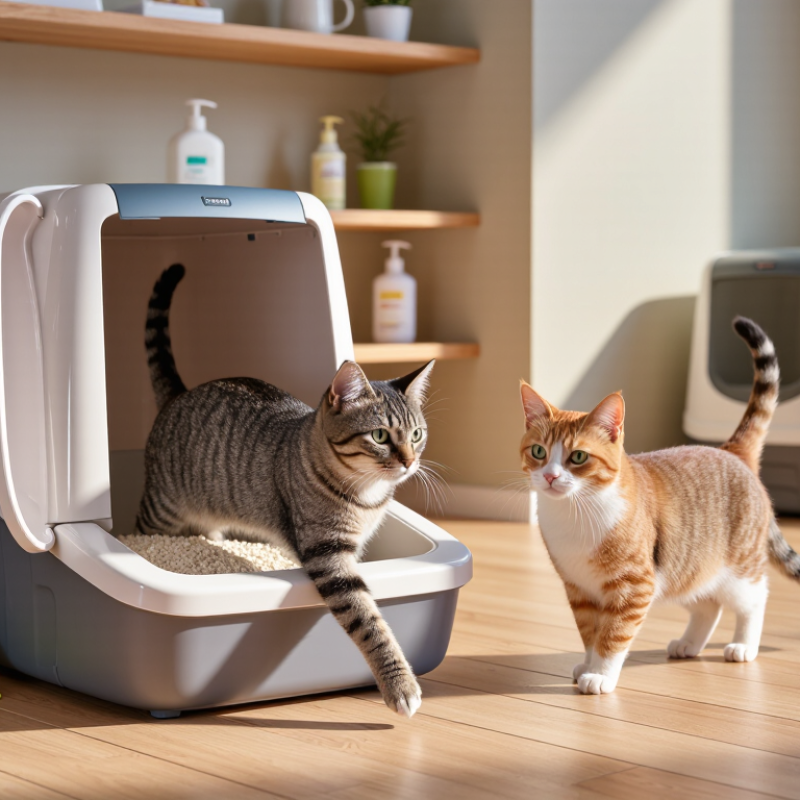
Top Tips to Avoid Common Litter Box Mistakes?

Choosing the Right Litter Box for Your Cat

Choosing the Right Litter Box for Your Cat

A suitable litter box should match your cat’s body, age, and habits. The AAFP and ISFM feline environmental guidelines recommend a box about 1.5 times your cat’s body length. Your cat should turn around without touching the sides. Large cats often struggle with standard boxes. Measure before buying.

A low entrance helps kittens, senior cats, and cats with stiff joints. However, very shallow boxes may scatter litter across the floor. Covered boxes can reduce odors, but some cats dislike enclosed spaces.

In my experience, a nervous cat may prefer an open box with a clear view. I once chose a deeper model for cleanliness and overlooked accessibility. That was a mistake.

Tips: Provide one box per cat, plus one extra, following AAFP and ISFM guidance. Place them in quiet, separate areas, not beside loud appliances. The 2023–2024 APPA National Pet Owners Survey reported 46.5 million U.S. households owning cats, showing how widely these daily decisions matter. Use unscented, soft-textured litter when possible. Cats often reject strong fragrances. Clean waste daily and wash the box regularly with mild soap. Watch behavior, not assumptions. A cat avoiding the box may need a veterinary assessment, especially with sudden changes.

Placing the Box in a Comfortable and Accessible Location

Top Tips to Avoid Common Litter Box Mistakes?

Placing the Box in a Comfortable and Accessible Location

A litter box should sit in a quiet, easy-to-reach area. Cats often avoid places with sudden noise or heavy foot traffic. A running washing machine can turn a calm bathroom into an unpleasant surprise. Choose a spot where your cat can see approaching people or animals. Keep a clear escape route nearby.

The box should never feel like a trap. Avoid tight corners, closed cupboards, or locations beside doors that swing suddenly. Older cats may struggle with stairs or high entry edges, so place a low-sided box on each commonly used floor. Kittens also benefit from short walking distances. A simple rule helps: provide several accessible options in a multi-cat home.

Keep the box away from food and water. Cats usually prefer separate eating and toileting areas. Strong household smells may also discourage use, even when the location seems convenient to humans.

I once placed a box near a noisy utility area and assumed my cat would adjust. She did not. Moving it only a few metres made a noticeable difference.

Observe your cat’s habits rather than relying on a perfect layout. A box that looks suitable may still feel exposed, cramped, or unsafe. If toileting suddenly changes, check the location, cleanliness, and access. Persistent changes deserve advice from a qualified veterinarian.

Selecting Litter That Matches Your Cat’s Preferences

Selecting litter that matches your cat’s preferences can prevent many box problems. I once assumed all cats preferred strongly scented litter because it smelled cleaner. That assumption was too neat. Many cats dislike intense fragrances, dusty textures, or pellets that feel unstable under their paws.

The 2023–2024 APPA National Pet Owners Survey reports 46.5 million U.S. households own cats, highlighting how varied litter needs can be. Veterinary guidance from the AAFP and ISFM recommends observing each cat rather than relying on household habits. Most cats often accept fine, sand-like, unscented litter, especially when it resembles natural digging material. However, preference is individual. Your cat may choose a different texture without offering an obvious reason.

Tip: Offer two uncovered boxes with different unscented textures for seven days. Keep depth near two inches, remove waste daily, and record which box receives more use. Change only one variable at a time. If accidents appear, consider medical causes and consult a veterinarian promptly. A gradual transition works better than replacing familiar litter overnight. I still think “best litter” is an imperfect phrase. The better question is, “What feels safe to this cat?” Watch paw lifting, repeated box exits, strong scratching, or avoidance. These small signals can reveal discomfort before a clear problem develops.

Top Tips to Avoid Common Litter Box Mistakes? - Selecting Litter That Matches Your Cat’s Preferences

Litter Feature Common Cat Preference Possible Warning Signs Practical Selection Tip Best Transition Approach
Texture Many cats accept fine, sand-like particles because they are soft and easy to dig in. Standing beside the box, shaking the paws, or avoiding digging. Start with a soft, fine-textured litter unless your cat has shown a clear preference for larger particles. Mix a small amount of the new texture with the familiar litter and increase it gradually over several days.
Fragrance Unscented litter is often easier for cats to tolerate because cats have a highly developed sense of smell. Entering briefly, scratching outside the box, or eliminating in another location after a scented litter is introduced. Choose unscented litter first, especially for sensitive, older, or previously avoidant cats. Do not add air fresheners or strong deodorizing products near the box during the transition.
Clumping Ability Some cats prefer a consistently dry surface, which clumping litter can help maintain when waste is removed regularly. Avoiding damp areas or refusing to use a box that contains accumulated waste. Select a litter that forms firm clumps and scoop waste at least once daily. Place a second box with the new litter beside the existing box so your cat can choose.
Dust Level Low-dust litter is generally more comfortable for cats and people, particularly in poorly ventilated spaces. Sneezing, coughing, dusty paw prints, or visible clouds when the litter is poured. Pour slowly and choose a low-dust formula; keep the box in a well-ventilated area. Change gradually and monitor respiratory irritation. Seek veterinary advice if symptoms persist.
Particle Size and Tracking Cats may prefer comfortable particles, while household members often prefer litter that stays near the box. Litter scattered widely around the home or a cat refusing a rough, uncomfortable surface. Prioritize paw comfort first; use a washable mat outside the box to reduce tracking. Test texture in a separate box instead of suddenly replacing the cat’s familiar litter.
Odor Control Cats usually benefit more from a clean box than from strong masking scents. Avoidance after deodorizer use or repeated elimination outside the box. Control odor through daily scooping, regular full changes, and adequate ventilation rather than heavy fragrance. Keep the box routine stable while introducing any new litter type.
Depth Many cats like enough litter to dig and cover waste, although individual preferences differ. Scratching the box floor, failing to cover waste, or pushing litter out of the box. Begin with approximately 5–7 cm of litter and adjust according to your cat’s behavior. Change depth in small increments and keep the surface level and dry.
Material Type Cats may accept clay, plant-based, paper, wood, or mineral litter, but acceptance depends on texture, scent, and past experience. Sudden box avoidance after changing the material type. Choose based on your cat’s observed comfort rather than assuming one material suits every cat. Offer two boxes with different materials and record which one your cat uses more often.
Box Cleanliness Most cats prefer a clean, accessible box with minimal waste buildup. Using the box less often, waiting until it is cleaned, or eliminating next to it. Scoop at least daily, wash the box with mild unscented soap, and avoid harsh chemical odors. Keep cleaning frequency consistent before judging whether a litter type is unsuitable.
Multi-Cat Household Cats may prefer separate boxes and may avoid a box that is frequently occupied or heavily soiled. Blocking, guarding, spraying, or one cat consistently avoiding a shared box. Provide multiple boxes in quiet, separate locations; a common guideline is one box per cat plus one extra. Introduce the new litter in an additional box rather than replacing every box at once.

Important: Individual preferences vary. If a cat suddenly stops using the litter box, strains, vocalizes, produces little urine, or shows blood in the urine, contact a veterinarian promptly because medical problems can cause litter box changes.

Maintaining Cleanliness with a Consistent Scooping Routine

Top Tips to Avoid Common Litter Box Mistakes?

Maintaining cleanliness begins with a consistent scooping routine. Remove urine clumps and solid waste at least once daily. In homes with several cats, twice-daily scooping may work better. A clean box feels less like a chore when you keep a scoop nearby. I sometimes miss an evening, and the smell is noticeable by morning. That small failure reminds me that consistency matters more than occasional deep cleaning. Veterinary behavior guidance also recommends providing enough boxes for the number of cats, plus one extra.

Tips: Check the box at the same time each day, such as after breakfast. Scoop from different areas instead of clearing only the visible center. Empty waste into a sealed bin, then wash your hands. Replace heavily soiled litter promptly. Strong fragrances can discourage some cats, so choose unscented cleaning products and rinse the box thoroughly. Never leave wet surfaces behind.

Once a week, empty the box and wash it with mild soap and warm water. Dry it completely before adding fresh litter. Inspect the edges and corners, where residue often hides. Keep the box in a quiet, reachable place away from food and loud appliances. If a cat suddenly avoids the box, strains, or urinates unusually often, contact a veterinarian promptly. Cleanliness helps, but behavior changes may signal a health problem.

Top Tips to Avoid Common Litter Box Mistakes: Maintaining Cleanliness with a Consistent Scooping Routine

A consistent routine helps reduce odor, waste buildup, and litter box avoidance. Scooping once daily per box equals 7 scooping sessions per week for each litter box. Households with multiple cats may need additional boxes and a proportionally consistent cleaning schedule.

Recognizing and Correcting Common Litter Box Problems

Most litter box failures are not stubbornness. They are signals of discomfort, stress, or poor setup.

The American Pet Products Association’s 2023–2024 survey reported 46.5 million U.S. cat-owning households. That scale makes toilet care a serious welfare issue.

AAFP and ISFM guidelines recommend one litter box per cat, plus one extra. Place boxes in quiet, accessible areas. Avoid food bowls, narrow corners, and noisy appliances.

Cats may reject a box they cannot reach safely.

Clean waste daily, and wash the box regularly with mild, unscented products. Strong fragrances can make the area unpleasant. Offer enough space for your cat to turn, dig, and leave without squeezing past another animal.

Sudden accidents deserve attention. Veterinary behavior literature links house-soiling with urinary pain, constipation, mobility problems, and anxiety. Arrange a veterinary examination before changing everything at home.

Never punish or physically place a cat into the box. That can increase fear and avoidance.

One practical mistake is changing litter, location, and cleaning products simultaneously. You then lose useful clues. Change one factor at a time, and record accidents, urine volume, and timing.

I would also question the “perfect” setup. Some cats prefer uncovered boxes, while others need privacy.

Observe individual behavior rather than relying on rigid rules. Data guides the starting point; the cat’s repeated choices provide the final evidence.

FAQS

How large should a litter box be?

Choose one about 1.5 times your cat’s body length. Your cat should turn without touching the sides. Measure before buying.

Which entrance suits kittens or older cats?

A low entrance helps kittens, seniors, and cats with stiff joints. Very shallow sides may scatter litter across the floor. Balance access with containment.

Are covered litter boxes suitable for every cat?

No. Covered boxes can reduce odors, but some cats dislike enclosed spaces. Nervous cats may prefer an open box with a clear view.

How many litter boxes should a home provide?

Provide one box per cat, plus one extra. Place them in quiet, separate areas. Keep them away from loud appliances.

What litter texture and scent should owners try?

Start with soft, fine, sand-like, unscented litter. Strong fragrances, dust, or unstable pellets may disturb some cats. Preferences vary.

How can owners test litter preferences?

Offer two uncovered boxes with different unscented textures for seven days. Keep litter near two inches deep. Record which box your cat uses more.

How should litter changes be introduced?

Change one feature at a time. Mix new litter gradually instead of replacing familiar litter overnight. I once assumed “cleaner-smelling” meant better. It did not.

How often should the box be cleaned?

Remove waste daily and wash the box regularly with mild soap. Watch your cat’s behavior, not your assumptions. Small signals matter.

What does sudden box avoidance mean?

It may signal discomfort or a medical problem. Notice paw lifting, repeated exits, scratching, or avoidance. Contact a veterinarian promptly when behavior changes suddenly.

Conclusion

How To Avoid Common Litter Box Mistakes begins with choosing a box that suits your cat’s size, age, mobility, and habits. It should be spacious enough for comfortable movement, easy to enter, and placed in a quiet, accessible location where your cat feels safe. Avoid putting it beside loud appliances, in crowded areas, or too far from the rooms your cat regularly uses. The type and texture of litter also matter, so observe your cat’s preferences and introduce any change gradually.

Cleanliness is equally important. Establish a consistent scooping routine, remove waste regularly, and clean the box thoroughly without using harsh or strongly scented products. If your cat avoids the box, has accidents, or suddenly changes its bathroom habits, review the box’s location, cleanliness, size, and litter type. Persistent problems may require professional veterinary advice, as behavior changes can sometimes signal discomfort or an underlying health concern.

Charlotte

Charlotte

Charlotte is a seasoned marketing professional with a deep understanding of the company's portfolio and a passion for elevating its presence in the market. With a keen eye for detail and a commitment to excellence, she ensures that our professional blog is regularly updated with insightful articles......