How To Prevent Cats From Scattering Litter begins with understanding why the mess happens. Cats may kick litter while covering waste, rush from a cramped box, or carry particles on their paws. Some litter types also cling easily to fur and footpads. The solution is rarely one dramatic change. Small environmental adjustments usually work better.
Certified cat behavior consultant Dr. Mikel Delgado explains, “Cats need a litter box that feels safe, clean, and easy to access.” That principle guides this practical approach. Choose a box with enough room for your cat to turn around comfortably. A high-sided model can reduce sweeping motions, but the entrance should remain low enough for older cats. Place a washable mat beneath the box. Its textured surface catches loose granules before they reach the hallway.
Scoop the box at least daily. Replace heavily soiled litter before odors build. Try a low-tracking, unscented litter, then change gradually. Sudden changes can create resistance. Keep the box away from loud appliances, busy doorways, and narrow corners. Observe your cat for several days. You may notice that scattering increases after play, during stress, or when the box becomes dirty.
There is no perfect setup. Some cats will still launch litter like confetti. That is frustrating, and honest. Avoid punishment. It can make the box feel unsafe and worsen avoidance. Test one adjustment at a time, record the results, and ask a veterinarian about sudden changes in litter habits, pain, or excessive digging.
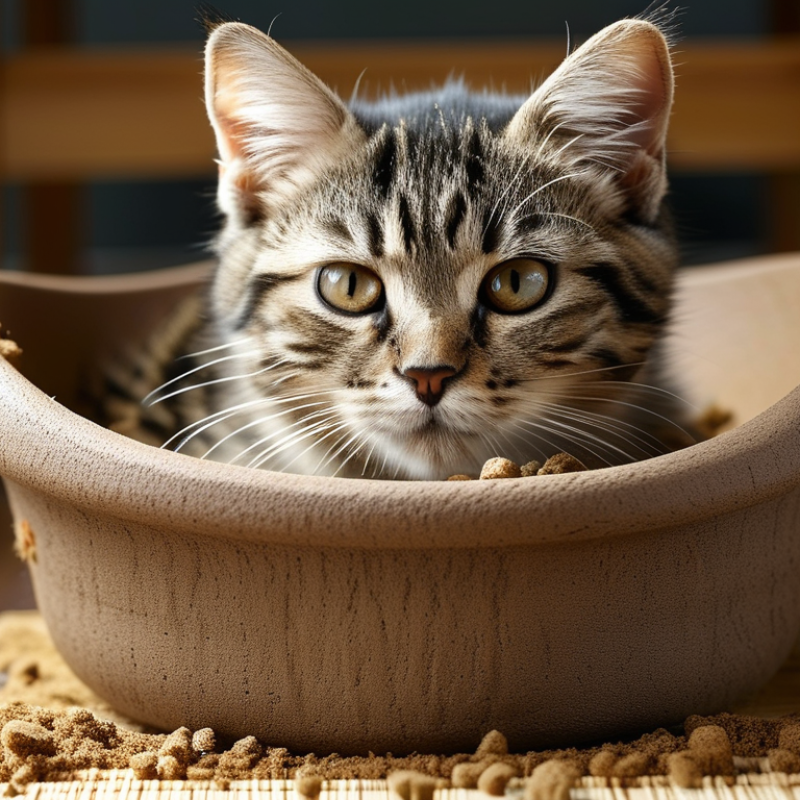
How To Prevent Cats From Scattering Litter?
Common Reasons Cats Scatter Litter
Cats scatter litter for several practical reasons. A small box leaves little room for turning, digging, and covering waste. Some cats also kick litter when the layer is too deep. Others dislike the texture and rush out after using the box. Long-haired cats may carry granules between their toes, especially when litter clings to damp paws.
The box location can also cause messy exits. A cat may leap out quickly if the area is noisy, crowded, or difficult to escape. Older cats may scatter litter because joint pain makes stepping over a high edge uncomfortable. A sudden change in litter habits deserves attention. Urinary discomfort, constipation, or stress can alter how a cat uses the box. A veterinarian should assess unusual behavior, especially with straining or frequent trips.
Tips: Choose a roomy box with a low entrance and stable sides. Keep the litter depth moderate, usually around two to three inches. Place a textured mat outside the exit, and sweep it regularly. Scoop often, because a dirty box can encourage hurried digging. I once focused only on the mat and ignored the box size. That fixed very little. Observe where the litter lands. The pattern often reveals whether the cat is digging, carrying, or escaping quickly. Adjust one factor at a time. Cats can be surprisingly particular.
Common reasons include shallow litter, an undersized or covered box, litter sticking to paws, and digging or covering behavior. The chart ranks practical prevention priorities on a 1–5 scale based on how commonly each factor contributes to scattered litter.
To reduce scattering, use a large open litter box, keep litter around 5–7 cm deep, scoop at least once daily, and place a textured mat outside the entrance.
Choosing the right litter box can reduce tracking before you change the litter itself. In my experience, a large box with high, inward-sloping sides keeps loose particles inside during digging. Your cat should still enter comfortably. A box that feels cramped may encourage hurried scratching near the doorway.
Look for a wide entrance, a stable base, and a rim that does not catch paws. Covered boxes can contain more litter, but some cats dislike enclosed spaces or poor ventilation. Watch your cat’s behavior for several days. No box stops every grain. Some litter will still escape, especially with energetic diggers or long-haired paws. I once chose a box that looked practical but had a narrow exit; tracking increased because litter clung to the cat’s feet.
Tips: Place the box on a firm, textured mat with openings large enough to catch falling litter. Keep the mat close to the entrance. Shake it outside regularly. Choose a box size that allows your cat to turn around fully. Clean scattered litter daily, because small piles quickly spread across floors. Avoid sudden changes if your cat is anxious. A better box may need adjustment, not immediate replacement.
Cat litter often escapes when a cat digs, turns, or jumps from the tray. Low-tracking litter can reduce this mess, but no formula works perfectly for every cat. Look for larger, heavier granules that cling less to paws and fur. Very fine litter feels soft, yet it may travel across floors like sand. My short-haired cat left fewer grains with a low-dust, medium-grain litter. However, she disliked strongly scented options and avoided the tray. Unscented litter is often a safer starting point for sensitive cats.
A suitable mat matters just as much. Choose a wide, textured mat that extends beyond the tray’s exit. Two layers can catch litter more effectively than one thin surface. Place the tray fully on the mat, with no narrow gap beside a wall. I once used a small mat and blamed the litter unfairly. Most grains landed beside it. A honeycomb-style surface can trap particles while remaining easy to empty. Shake it over a bin daily, then wash it regularly with mild soap. Avoid harsh fragrances, since lingering smells may discourage use. If tracking continues, trim excess fur between long-haired cats’ paw pads carefully, or ask a veterinary professional for guidance. Monitor the cat’s comfort, because a cleaner floor is not worth creating tray anxiety.
Cats scatter litter more easily when the box sits near a doorway, narrow hallway, or busy feeding area. Place it on a level, non-slip floor with a clear path around it. A quiet corner usually works better than a hidden closet. Cats need privacy, but they should not feel trapped.
Keep the box away from food and water. For homes with several cats, provide one box per cat, plus one extra when possible. This reduces rushing, digging, and sudden exits. A large mat with a textured surface can catch loose litter from the paws. Choose a mat that is easy to lift and shake outdoors.
Cleaning habits matter just as much as placement. Remove solid waste at least once daily, and check the surrounding floor for scattered pieces. Replace soiled litter gradually instead of emptying a clean box too often. Wash the box with mild, unscented soap, then dry it completely. Strong fragrances may discourage use.
I used to place a box beside a washing machine. It seemed convenient, but the noise made my cat jump out quickly and scatter litter. Moving it helped, though not perfectly. Some cats still dig with surprising energy. Trim long fur between paw pads only with professional guidance, and never punish a cat for mess. Observe the pattern, then change one detail at a time.
Preventing scattered litter starts with teaching a calm exit routine. The 2023–2024 APPA National Pet Owners Survey estimates that 46.5 million U.S. households own cats. Many homes therefore manage repeated litter tracking every day. Place a large mat directly outside the box, with a textured surface that catches loose grains between paw pads. Keep the box away from busy doorways and washing machines. Sudden noise can make a cat rush out.
The AAFP and ISFM feline-care guidelines recommend one litter box per cat, plus one extra. This reduces crowding and hurried exits. Scoop waste at least once daily, then reward quiet behavior after toileting. A tiny treat or gentle praise works better than grabbing the cat’s paws. Never punish scattered litter. Cats may connect punishment with the box itself, creating avoidance.
I have seen cats step across a mat, pause, and shake one paw. That pause is useful. Guide the cat toward the mat with a toy, then reward the pause. Do not force repeated drills. Some cats dislike covered boxes, while others prefer privacy. Test one change at a time for several days. I once blamed the litter texture too quickly; the real problem was a slippery mat that moved underfoot. Monitor the trail near the box, not just the floor beside it. Persistent mess, straining, or sudden box avoidance deserves veterinary attention.
A cramped box may limit turning, digging, and covering. Some cats kick litter when the layer is too deep. Long-haired paws can carry damp granules across the floor.
Keep the layer moderate, usually about two to three inches deep. A deeper layer may encourage energetic kicking. Test small adjustments.
Choose a roomy box with stable, inward-sloping sides and a comfortable entrance. Your cat should turn around fully. High sides help, but a high entrance may trouble older cats.
Covered boxes can contain more loose litter, but some cats dislike enclosed spaces. Poor ventilation may also discourage use. Watch your cat for several days.
Use a quiet, level area with a clear escape route. Avoid doorways, narrow halls, noisy machines, and feeding areas. Cats need privacy, not confinement.
Place a textured mat directly outside the entrance. Its openings should catch falling granules from paws. Shake the mat outdoors regularly, and clean nearby piles daily.
Remove solid waste at least once daily. Wash the box with mild, unscented soap, then dry it completely. Strong fragrances may discourage use.
Observe whether the cat digs, carries litter, or escapes quickly. Change one detail at a time. I once blamed the mat, but the box was too small. Sudden changes with straining, constipation, or frequent trips need veterinary attention.
Provide one box per cat, plus one extra when possible. This can reduce rushing and sudden exits. It is not a perfect rule, but it helps many households.
How To Prevent Cats From Scattering Litter begins with understanding why the mess happens. Cats may kick litter while digging, jump out too quickly, or carry pieces on their paws and fur. Choosing a spacious, stable litter box with higher sides or a covered design can help contain movement without making the cat feel cramped. Low-tracking litter with larger, smoother particles may also reduce the amount that sticks to paws, while a textured mat placed outside the box can catch loose pieces before they spread.
Good placement and cleaning habits are equally important. Keep the litter box in a quiet, easy-to-reach area where the cat feels comfortable, and remove waste regularly to encourage calm, purposeful use. Gently guiding the cat to pause on the mat after leaving may help establish a cleaner routine. With the right box, suitable litter, practical mat, consistent maintenance, and patient training, owners can significantly reduce scattered litter while supporting their cat’s comfort and natural habits.

Webvet Pet