How to Ensure Litter Safety for Your Cat's Health?

Time:2026-09-02 Author:Liam
0%

When it comes to our feline friends, ensuring their health and safety is paramount. Litter plays a critical role in their daily lives. However, many cat owners overlook the importance of litter safety. What Cat Owners Should Know About Litter Safety can greatly impact your cat's well-being. The choice of litter can affect their health, behavior, and environment.

Several factors contribute to litter safety. The type of litter, its ingredients, and how often it is changed are vital considerations. Many litters on the market contain harmful chemicals or fragrances. These can cause respiratory issues and skin irritations. Additionally, clumping litters may be convenient, but they can pose ingestion risks. It's essential to choose natural or unscented options for your cat’s safety.

Reflecting on litter choices, it's easy to prioritize convenience over safety. However, recognizing these risks can lead to better decisions. Ensuring a safe litter environment is an investment in your cat's health. Engaging with your veterinarian about litter choices is advisable. Making informed choices is key to fostering a safe and healthy home for your beloved pet.
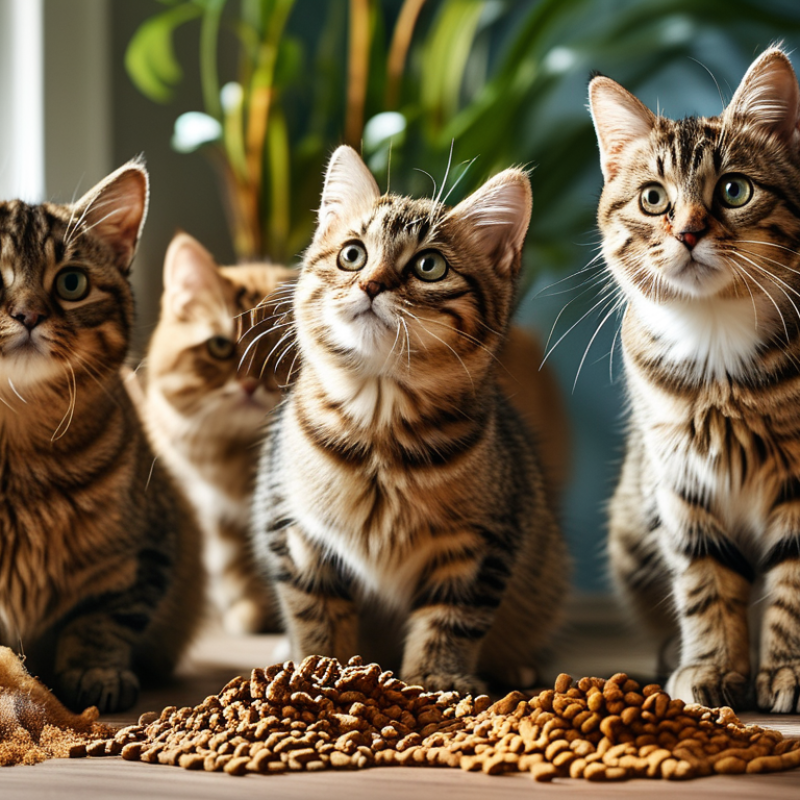
How to Ensure Litter Safety for Your Cat's Health?

Understanding the Importance of Litter Safety for Cats

Ensuring litter safety for your cat is crucial for their health and well-being. Many pet owners overlook the risks associated with cat litter. Some materials can be harmful, causing respiratory issues or gastrointestinal problems. Understanding the types of litter and their effects is essential for any cat owner.

Choosing the right litter can be overwhelming. Look for dust-free options to minimize respiratory irritation. Additionally, avoid clumping litters that contain harmful chemicals. Instead, consider natural alternatives made from recycled paper or wood. Cats prefer their litter clean; ensure you scoop daily to maintain hygiene.

Monitor your cat’s behavior closely. If you notice any changes, such as avoidance of the litter box, consult your veterinarian. This could indicate discomfort or health issues related to the litter. Your cat's preference matters, so be open to experimenting with different types. Always prioritize safety and comfort over convenience.

Selecting the Right Litter Material for Your Cat's Health

When selecting the right litter material for your cat's health, consider both safety and comfort. Many popular litters contain additives that can be harmful. Opt for natural, unscented alternatives like clay or recycled paper. These options are less likely to irritate your cat's paws or respiratory system. Avoid clumping litters that contain chemicals. They may pose a risk, especially if ingested.

Pay attention to your cat's reaction after switching litters. Some cats are sensitive to certain materials and may refuse to use the box. Observe their behavior closely. If your cat begins to avoid the litter box, it could be a sign of distress or discomfort. Choose a texture your cat prefers, as it encourages regular use.

Consider how easy it is to maintain the litter you choose. Some options require daily cleaning, while others might need less frequent changes. Regular maintenance is crucial for your cat’s health. Clean the box thoroughly at least once a week to prevent bacteria build-up. An unclean box can lead to urinary tract issues or other health concerns. Always listen to your cat’s preferences and adjust accordingly for their well-being.

Regular Maintenance and Cleaning of the Litter Box

Maintaining a clean litter box is essential for your cat's health. A dirty litter box can lead to various health issues for your feline friend. It is crucial to scoop the box daily. Removing clumps helps prevent odor and keeps your cat comfortable. Some owners might forget this task, allowing waste to accumulate. Regular checks can be a simple habit to form.

Cleaning the litter box weekly is also necessary. A thorough wash with mild soap and water removes bacteria. It's important to rinse thoroughly to avoid any residue. Consider using a separate scoop for each cat, as sharing can spread germs. Owners need to remain vigilant about their cat’s behavior. Changes in urination or defecation habits can indicate health problems. Ignoring these signs can lead to serious issues.

When replacing litter, ensure you choose an option that suits your cat's preferences. Some cats are sensitive to changes in their environment. Transitioning slowly to a new type of litter can help them adjust. Regular maintenance not only keeps your cat healthy but also creates a more pleasant living space for both of you. Taking these steps reflects a commitment to responsible pet ownership.

How to Ensure Litter Safety for Your Cat's Health? - Regular Maintenance and Cleaning of the Litter Box

Maintenance Action Frequency Benefits Tips
Scoop litter Daily Reduces odors and bacteria Use a sturdy scoop for efficiency
Change litter Weekly Prevents clumping and tracking Choose a litter that minimizes tracking
Wash litter box Monthly Eliminates residues and odors Use mild, unscented soap
Check for clumps Daily Ensures clean environment Look for unusual clumps indicating health issues
Replace the box Every 6-12 months Avoids wear and tear Choose a size suited for your cat

Monitoring Your Cat's Behavior and Health Post-Litter Use

Monitoring your cat's behavior after using litter is vital for their health. Watch for changes in appetite or energy levels, as these can signal discomfort. If your cat seems hesitant to use the litter box, it may indicate a problem. An aversion to the box could stem from an unpleasant texture or odor.

Pay attention to any signs of distress, such as excessive scratching or vocalization. Observe their litter box habits closely. Frequent trips can suggest urinary issues. Cats are masters at hiding discomfort, so a moment of hesitation may mean more than you think.

Consider your cat's reactions over time when changing litter types. Your choice in litter influences not just hygiene but also their comfort. Regularly evaluating your cat's interactions with their litter will help you pinpoint potential health concerns early, leading to timely interventions. Each cat is unique, and understanding individual preferences provides deeper insights into their overall well-being.

When to Consult a Veterinarian Regarding Litter Safety Issues

When it comes to litter safety, recognizing when to seek veterinary advice is key for your cat’s well-being. If your cat shows signs of distress after using the litter box, it's important to take action. Symptoms such as excessive grooming, straining to urinate, or changes in litter box habits may indicate a health issue linked to litter safety. These behaviors should not be overlooked, as they can suggest respiratory irritation or other physical discomforts.

If you notice unusual changes in your cat's health, don’t hesitate to consult a veterinarian. Professional guidance can help you determine if the litter material is causing allergic reactions or other problems. It’s crucial to observe your cat's behavior closely. Sometimes, what seems like a minor issue can escalate into something more serious. Regular check-ups can ensure your cat remains healthy and safe while navigating its litter environment.

Keep in mind that not all litters are suitable for every cat. Some may have sensitivities that others do not. Regular monitoring of your cat's condition is essential. If you find yourself second-guessing your choice of litter, it’s best to reach out to your vet for personalized advice. In the end, prioritizing your cat’s health through informed decisions is vital.

FAQS

: Why is it important to maintain a clean litter box?

: A clean litter box is essential for preventing health issues in cats.

How often should I scoop the litter box?

It’s recommended to scoop daily to prevent odor and ensure your cat's comfort.

What should I do weekly for litter box maintenance?

Clean the box with mild soap and water, and rinse thoroughly to remove bacteria.

How can I prevent spreading germs between multiple cats?

Use a separate scoop for each cat to minimize the risk of spreading germs.

What signs indicate I should consult a veterinarian?

Look for excessive grooming, straining to urinate, or changes in litter box habits.

How can I tell if my cat has an issue with their litter?

Monitor behaviors closely; distress after using the litter box can indicate problems.

What if my cat is sensitive to new litter?

Transition to new litter slowly to help your cat adjust without stress.

Is it okay to ignore minor changes in my cat's behavior?

No, even minor changes can escalate into serious health issues if ignored.

How should I choose the right litter for my cat?

Consider your cat's preferences and sensitivities when selecting litter material.

What if I'm unsure about my litter choice?

Consult your vet for personalized advice to ensure your cat’s health and safety.

Conclusion

Ensuring litter safety is crucial for promoting your cat's health and well-being. Cat owners should be aware of several key aspects related to litter safety. First, selecting the right litter material is essential; it should be non-toxic and suitable for your cat's needs. Regular maintenance and cleaning of the litter box can prevent the buildup of harmful bacteria and odors, making it a healthier environment for your pet.

Moreover, monitoring your cat's behavior and health after using the litter is important, as changes may indicate underlying issues. Lastly, if you notice any distressing symptoms or behavioral changes in your cat related to litter use, consulting a veterinarian is advisable. By understanding these factors, what cat owners should know about litter safety can help ensure a safe and healthy environment for their feline companions.

Liam

Liam

Liam is a dedicated marketing professional with a profound expertise in the industry, where he excels at highlighting the unique advantages of our core products. With a keen understanding of market trends and consumer needs, Liam frequently updates our company’s professional blog, providing......