Maintaining a clean litter box can be a time-consuming task. Many cat owners often struggle to find effective strategies to reduce this maintenance time. Fortunately, there are practical methods available. Learning "How To Minimize Litter Box Maintenance Time" can save you both effort and frustration.
This guide offers ten effective tips that will streamline your litter box routine. You might be surprised at how simple changes can lead to better results. For instance, choosing the right litter type can significantly affect cleanup frequency. Similarly, investing in self-cleaning litter boxes may seem costly, but they can provide long-term benefits.
It's important to acknowledge that not every method will work for everyone. You may need to experiment to find what suits your needs. Reflecting on your cat's habits can also reveal valuable insights. Ultimately, these tips aim to improve your cat care routine, helping you spend more quality time with your beloved feline companion.
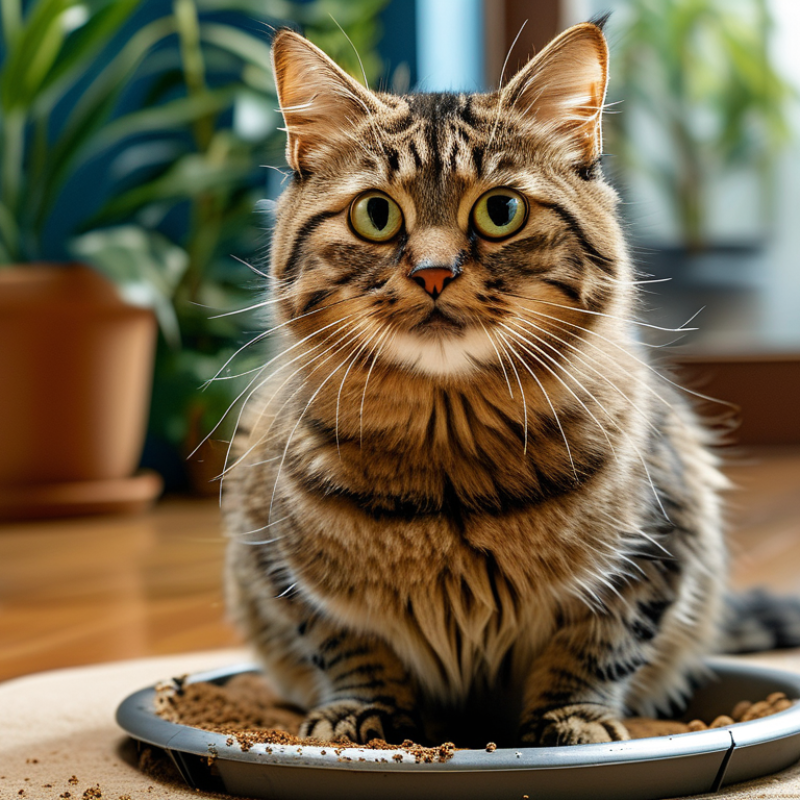
Understanding the Importance of Litter Box Maintenance
Maintaining a litter box is essential for both the health of your pet and the comfort of your home. Regular upkeep helps to prevent odors and reduces the risk of urinary tract infections in cats. Neglecting this responsibility can lead to messy accidents and health issues that are hard to manage. A clean environment encourages your cat to use the box consistently, making it vital to establish good maintenance habits.
To make litter box maintenance more efficient, consider using clumping litter, which simplifies scooping. Having multiple boxes for several cats can also minimize the mess. While these practices help, there's often a temptation to let things slide during a busy week. It’s easy to overlook the litter box, but that can result in unpleasant surprises. Being mindful of these factors is crucial for both your mental peace and your pet's well-being.
Creating a schedule for regular checks can help to keep the box clean. Instead of letting litter accumulate, tackle it daily. This way, you avoid feeling overwhelmed and keep the box inviting. Take the time to reflect on your current habits. Are you proactive, or do you wait until the box is in dire need of attention? Adopting a consistent routine could greatly enhance your litter box experience.
Choosing the Right Type of Litter for Easy Cleanup
Choosing the right litter for your cat can significantly reduce cleanup time. Different cats have different preferences, so experimenting is essential. Clumping litter often makes it easier to scoop out waste. The clumps harden quickly, minimizing spread and mess. Non-clumping litter can leave a mess, as it absorbs moisture but does not form easy-to-handle clumps.
Consider using lightweight litter. It simplifies pouring and cleanup. Many lightweight options absorb odors and still provide good coverage. A litter with odor control features helps maintain a fresh environment. This is especially crucial if space is limited, as odors can quickly build up in smaller areas.
It's important to clean the box regularly. Even the best litter cannot eliminate the need for routine maintenance. You may still find yourself cleaning more often than you'd like. Choose a litter box with higher sides to reduce litter spillout. A box with a hood can help contain messes, but not every cat prefers this. Lastly, take note of your cat’s behavior; they may reject a specific type of litter, leading to waste outside the box. Be prepared for some trial and error as you figure out the best solution for you and your furry friend.
Implementing a Regular Cleaning Schedule
Implementing a regular cleaning schedule for your cat's litter box is crucial for both hygiene and convenience. Aim to clean the litter box at least once a day. This not only keeps odors at bay but also encourages your cat to use it consistently. Use a scoop with a shallow edge for easier access. It allows you to reach corners and remove clumps efficiently.
Consider dedicating a specific time each day for this task. Setting a reminder can help in establishing consistency. After scooping, clean the box with mild soap and water weekly. This prevents buildup of bacteria and maintains a fresh environment. You might find yourself forgetting this step occasionally, so try adding it to another routine task, like your weekly cleaning day.
If you find daily maintenance challenging, you can explore self-cleaning options. However, even these require routine checks. The key is to stay on top of the cleaning. A neglected litter box can lead to unwanted behaviors from your pet. Your goal should be to create a positive and clean experience for both you and your feline friend. Small, actionable steps can lead to a more manageable routine.
Utilizing Litter Box Liners for Simplified Maintenance
Utilizing litter box liners can significantly reduce the time spent on maintenance. Research shows that pet owners often neglect their cat’s litter box, leading to unpleasant odors and health issues. A study indicates that around 40% of cat owners clean their boxes less frequently than recommended. Liners are a practical solution.
Litter box liners serve as a protective barrier. They simplify the cleaning process, as they allow for easy removal of waste. This innovation can cut down maintenance time by at least 50%. When the litter is changed, the soiled liner can be discarded quickly. This minimizes direct contact with waste and reduces the need for scrubbing.
However, it's essential to choose the right type of liner. Some cats may resist using a lined box. Observing your cat's behavior is crucial. Experimenting with different materials can help identify what works best. Understanding your pet’s preferences may require patience, but it can lead to a more efficient litter box routine. Adopting such practices can encourage better hygiene and ultimately cater to the well-being of both the cat and owner.
Investing in Self-Cleaning Litter Boxes for Convenience
Investing in a self-cleaning litter box can significantly reduce maintenance time. Many pet owners struggle with daily chores. By incorporating automated solutions, efficiency rises. A study from PetSafe found that nearly 70% of cat owners express interest in self-cleaning options. These devices simplify cleaning and help maintain a hygienic environment for pets.
In addition to the convenience of self-cleaning boxes, there are practical strategies to minimize litter box upkeep. Regular scooping is essential. Aim to clean the box daily to avoid unpleasant odors. Using high-quality litter can also make a noticeable difference. Some litters clump better, making clean-up easier. Research from the Journal of Feline Medicine and Surgery shows that clean litter boxes reduce stress in cats. This can mean happier pets and healthier homes.
Combining automated features with thoughtful practices leads to an optimal solution. While self-cleaning options do exist, they can come with a price tag. However, the balance of time saved may justify the investment for busy owners. Always consider the specific needs of your cat. Observing their preferences helps in choosing the right setup for both you and your furry friend.
10 Effective Tips to Minimize Litter Box Maintenance Time
| Tip Number |
Tip |
Benefit |
| 1 |
Invest in a Self-Cleaning Litter Box |
Reduces daily cleaning effort. |
| 2 |
Use Clumping Cat Litter |
Makes it easier to remove waste. |
| 3 |
Choose a Larger Litter Box |
Reduces the frequency of changes. |
| 4 |
Place Litter Box in a Quiet Location |
Encourages regular usage. |
| 5 |
Use Odor Control Products |
Keeps the area smelling fresh. |
| 6 |
Regularly Change Litter |
Prevents buildup and odors. |
| 7 |
Use a Liner |
Simplifies cleaning process. |
| 8 |
Invest in a Sifting Litter Box |
Makes sifting waste easier. |
| 9 |
Provide Multiple Litter Boxes |
Limits the need for constant cleaning. |
| 10 |
Monitor Litter Box Usage |
Identifies potential issues early. |
Conclusion
To effectively manage litter box maintenance, it's crucial to understand its importance and establish a systematic approach. Start by selecting the right type of litter that facilitates easy cleanup. Implementing a regular cleaning schedule ensures that the litter box remains hygienic, making it less of a chore. Additionally, using litter box liners can significantly simplify the maintenance process, protecting the box and reducing mess. For those seeking maximum convenience, investing in self-cleaning litter boxes can greatly minimize the time spent on upkeep.
Overall, these strategies collectively provide a comprehensive guide on "How To Minimize Litter Box Maintenance Time." By adopting these tips, pet owners can enjoy a cleaner environment with less effort, leading to a better experience for both themselves and their pets.

 Webvet Pet