When it comes to cat ownership, understanding litter dust is crucial. In the article "What Cat Owners Should Know About Litter Dust," we will explore important facts that every cat owner should consider. Many cat owners may not realize the potential risks associated with litter dust.
Litter dust can affect both cats and humans. For example, some litters release fine particles that can lead to respiratory issues. This is especially concerning for families with children or individuals who have allergies. Choosing the right litter product is essential to minimize exposure to dust.
Furthermore, the impact of litter dust on your cat's health is not always clear. You may observe your cat sneezing or coughing more frequently. These symptoms can be easily overlooked, but they are significant. Owners must pay attention and reflect on their choices. Always prioritize quality and safety when selecting litter. Ultimately, knowing "What Cat Owners Should Know About Litter Dust" can lead to a healthier home environment for both pets and people.
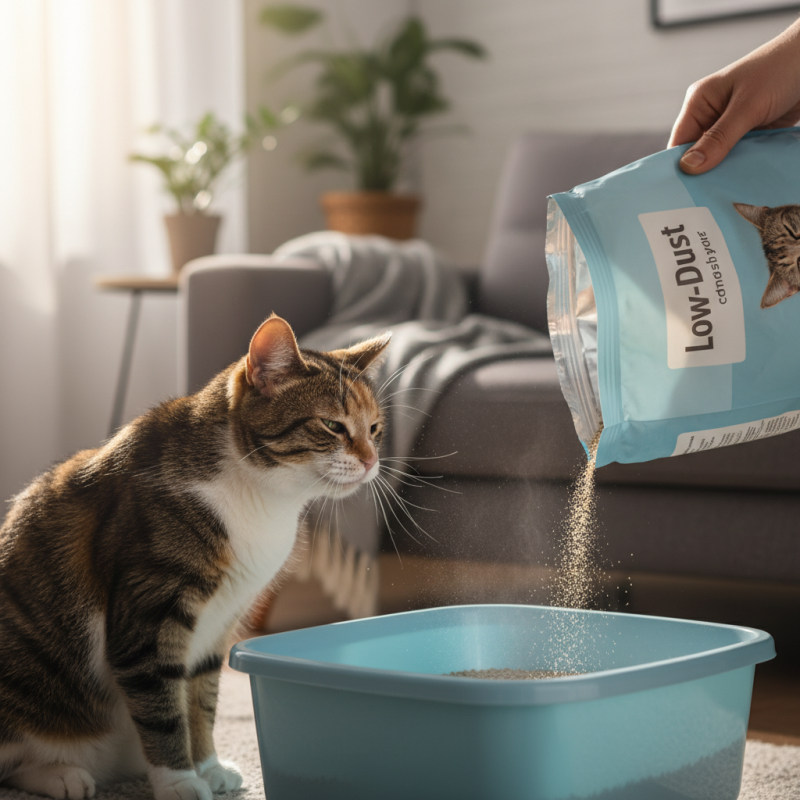
Litter dust is a significant aspect of cat ownership that often goes unnoticed. It consists of fine particles that arise as the litter is used and disturbed. A study by the Journal of Feline Medicine and Surgery indicated that up to 20% of popular cat litters can produce notable dust levels. This dust can have various impacts on both cats and humans.
Understanding litter dust is crucial for maintaining a healthy environment. High levels of dust can lead to respiratory issues in both cats and their owners. A 2022 report from the American Association of Feline Practitioners emphasized that constant exposure may exacerbate pre-existing health conditions. Cat owners often overlook dust control but addressing it can improve overall well-being.
It’s important to consider the type of litter being used. Not all litters are created equal in terms of dust production. Some may be low in dust but high in clumping ability, offering a balance. Engaging in regular cleaning routines can mitigate dust emissions in the home. Reflecting on these factors can lead to healthier choices for both feline companions and their humans.
Litter dust can have significant effects on a cat's health and well-being. Various studies indicate that exposure to fine dust particles can lead to respiratory issues in felines. A report by the Journal of Feline Medicine and Surgery suggests that cats inhaling such particles may develop chronic respiratory problems. This is particularly concerning for young kittens and older cats with preexisting conditions.
Additionally, many litters contain additives that can exacerbate these issues. For instance, studies have shown that synthetic litters might produce dust that contains harmful chemicals. These chemicals can irritate a cat’s respiratory tract and even lead to long-term health complications. Dust levels vary greatly among different types of cat litter, emphasizing the need for careful selection. Users have reported severe reactions when using certain types of litter not specifically designed to minimize dust.
Cat owners should consider their pet's environment carefully. Regularly cleaning the litter box is crucial in reducing dust accumulation. Utilizing air purifiers and maintaining good ventilation can also help. By being proactive, owners can support their cat’s quality of life while minimizing potential health risks associated with litter dust.
This chart illustrates the potential health impacts of litter dust on cats, focusing on various health concerns categorized by frequency of occurrence. Understanding these effects can help cat owners make informed decisions about litter products.
Choosing the right litter for your cat involves more than just price or fragrance. One crucial factor is dust. Cat litter dust can affect both cat and owner health. According to the American Veterinary Medical Association, high dust levels can lead to respiratory issues in sensitive cats and their owners. This is especially relevant for households with children or elderly individuals.
Low-dust litter options are essential for creating a healthy environment. Many litters, made from natural materials like corn or wheat, produce minimal dust. Recent studies indicate that these products can reduce particulate matter in the air by over 50%. This level of reduction can translate to fewer respiratory problems for both cats and humans. Yet, not all low-dust options are created equal. Some might still cause allergies or discomfort.
While choosing low-dust litter can improve air quality, cat owners must also be aware of their pet's preference. Some cats are particular about texture and scent. Experimentation may be necessary. The goal is to find a balance between low dust and your cat's comfort. It's a journey that might require regular observation and adjustments.
| Litter Type | Dust Level | Absorbency | Clumping Ability | Scent Control |
|---|---|---|---|---|
| Clay | Medium | High | Yes | Moderate |
| Silica Gel | Low | Moderate | No | High |
| Wood Pellets | Low | High | Yes | Moderate |
| Corn-Based | Low | Moderate | Yes | Good |
| Recycled Paper | Low | Moderate | No | Good |
Proper maintenance of the litter box is crucial for minimizing dust production. Dust can irritate both cats and their owners' respiratory systems. According to a study by the American Veterinary Medical Association, 40% of pet owners reported respiratory issues linked to litter dust. Regular cleaning can significantly reduce these health risks.
One effective method is to scoop the litter box daily. This practice not only keeps the litter fresh but also prevents dust from accumulating. Changing the litter completely every two weeks is advisable. When doing so, be sure to use a mask, as disturbing the litter can release particles into the air. A nuanced approach involves selecting low-dust litter options. Many veterinarians recommend trying natural or clumping litters that are designed to produce less dust.
However, ensuring proper ventilation in the litter box area is often overlooked. Open windows or exhaust fans can help reduce airborne particles. Regularly washing the litter box with mild soap is also important. Cleaning with harsh chemicals can leave residues that exacerbate dust issues. This multifaceted approach can help create a healthier environment for both cats and their owners.
Litter dust can be a significant concern for cat owners. Studies indicate that over 85% of cat owners worry about the impact of litter dust on their homes. This dust doesn’t just settle on surfaces; it can also affect air quality. Various litter types produce different dust levels. For instance, clay litters can generate substantial dust clouds during scooping.
To minimize litter dust, consider using low-dust options. There are natural, biodegradable litters available that produce less airborne dust. Experts suggest sprinkling a thin layer of baking soda in the litter box. This can help absorb odors and may reduce dust. Another effective method involves regularly cleaning the litter box to maintain fresh litter and reduce dust accumulation.
Additionally, ensure proper ventilation in the area where the litter box is placed. Studies illustrate that good ventilation can lower dust particles and improve overall air quality. Using high-efficiency particulate air (HEPA) filters in your home can also help capture fine dust particles. It's necessary to recognize that while these tips can help, achieving a completely dust-free environment might not be feasible. Monitoring your cat's health is crucial, as respiratory issues can arise from long-term exposure to litter dust.
: Litter dust consists of fine particles that arise when cat litter is used and disturbed.
High levels of litter dust can lead to respiratory issues for both cats and their owners.
Understanding and controlling litter dust can improve the health and well-being of cats and humans.
Some litters, particularly clay varieties, can generate substantial dust clouds during scooping.
Use low-dust litter options, maintain good ventilation, and clean the litter box regularly.
Yes, chronic exposure to litter dust can lead to respiratory problems, especially in young or older cats.
Consider using biodegradable litters and sprinkle baking soda in the litter box to absorb odors and reduce dust.
Achieving a completely dust-free environment may not be feasible, but reducing dust is important.
Regular cleaning is crucial to reduce dust accumulation and maintain fresh litter.
Yes, it's important to keep an eye on your cat's health, especially for respiratory issues linked to dust exposure.
In "What Cat Owners Should Know About Litter Dust," the article emphasizes the significance of understanding litter dust and its implications for feline health. Litter dust can negatively impact a cat's respiratory system and overall well-being, making it crucial for owners to be aware of the types of litter they choose. Opting for low-dust litter solutions not only benefits cats but also enhances the home environment by minimizing airborne particles.
Additionally, proper maintenance of the litter box is essential to reduce dust production. Regular cleaning and selecting appropriate litter can significantly lower dust levels. Cat owners are encouraged to implement tips for maintaining a dust-free home, ensuring a healthier lifestyle for both their cats and themselves. Ultimately, understanding and managing litter dust is an essential aspect of responsible pet ownership.

Webvet Pet